Prospective students often wonder about the Howard University cost. You face tough choices when planning college finances. However, understanding these expenses empowers you to make smart decisions. This guide breaks down every detail clearly. Moreover, it highlights ways to reduce your burden through aid. Therefore, dive in and discover how to afford your dream education at this prestigious HBCU.
Howard University delivers world-class opportunities in Washington, D.C. Students thrive in vibrant academics and culture. Yet, costs add up quickly. For instance, tuition forms the core expense. Additionally, living arrangements influence your total outlay. Consequently, families seek precise figures to budget wisely.
You deserve transparency on Howard University cost. Experts compile these estimates based on official data. Furthermore, they consider various living scenarios. So, whether you live on campus or commute, find tailored insights here. Ultimately, this knowledge builds confidence for your application journey.
Tuition and Fees: The Foundation of Howard University Cost
Undergraduates pay $37,996 in tuition annually. This flat rate covers full-time enrollment of 12 to 21 credits per semester. However, part-time students face per-credit charges. Therefore, full-time status saves money for most. Moreover, mandatory fees add $940, funding activities and services.
These fees support technology and transportation needs. For example, the technology fee enhances IT resources. Additionally, the transportation fee covers shuttle services. Consequently, students access campus easily without extra hassle. Thus, plan for these essentials early.
Graduate programs vary slightly in structure. However, undergraduate tuition remains consistent across majors. Furthermore, the university applies a sibling discount of 10% for multiple full-time undergrads. So, families with several children benefit directly. This policy eases the overall Howard University cost burden.
You control your enrollment choices wisely. Therefore, review credit loads carefully. Moreover, explore discounts proactively. As a result, you minimize unexpected fees. In short, these steps keep your finances on track.
Housing Options and Their Impact on Howard University Cost
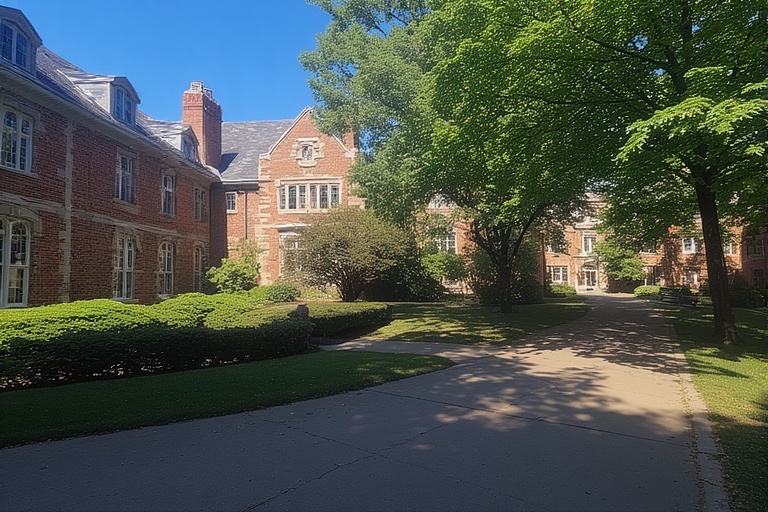
On-campus housing costs $12,380 per year. Students choose from modern halls like Drew or Harriet Tubman Quadrangle. However, rates rise about 11% annually due to improvements. Therefore, secure spots early through deposits. Additionally, a non-refundable good faith deposit applies.
Off-campus living jumps to $18,050 in estimated rent. Urban D.C. locations demand higher budgets. For instance, shared apartments near campus cut costs. Moreover, commuting adds transportation expenses. Consequently, weigh convenience against savings.
Living at home slashes housing to $6,280. Parents nearby enjoy this option. However, travel time increases daily. Therefore, factor in fuel or transit fees. Ultimately, this choice lowers your total Howard University cost significantly.
You select housing that fits your lifestyle. Furthermore, universities manage laundry fees for residents. As a result, on-campus life simplifies routines. So, tour options during visits to decide confidently.
Meal Plans: Fueling Your Studies Within Howard University Cost
Standard meal plans cost $6,602 yearly for on-campus students. Sodexo operates dining halls with diverse options. However, rates increase by 7% to enhance quality. Therefore, select plans matching your eating habits. For example, unlimited access suits busy schedules.
Off-campus food estimates reach $6,700. Grocery shopping or eateries add flexibility. Additionally, cooking saves over time. Consequently, track spending to avoid overruns. Moreover, university discounts apply at local spots.
At-home meals total $6,404. Family dinners reduce expenses naturally. However, occasional campus visits incur minor fees. Therefore, balance home-cooked and on-the-go choices. Thus, nutrition supports your academic focus.
You customize meal strategies effectively. Furthermore, explore vegetarian or vegan hall options. As a result, health aligns with budget goals. In essence, smart planning nourishes body and wallet.
| Read More Related Blogs: Pace University Acceptance Rate |
Books, Supplies, and Personal Expenses in Howard University Cost

Books and supplies average $1,220 annually. Digital resources lower this for many majors. However, lab courses demand extra materials. Therefore, budget for rentals or used texts. Additionally, library access cuts reprint needs.
Personal expenses hit $2,494 on campus. This covers clothing and entertainment. For instance, D.C. museums offer student rates. Moreover, group outings build community affordably. Consequently, prioritize free events.
Off-campus personal costs climb to $3,986. Urban temptations rise quickly. However, apps track daily spends. Therefore, set monthly limits. At home, figures drop to $2,324. Family support eases this category.
You manage these indirect costs proactively. Furthermore, join clubs for low-cost activities. As a result, enjoyment stays high without strain. So, embrace frugal habits for long-term wins.
Transportation and Other Hidden Howard University Cost Factors
On-campus transport estimates $1,154. Shuttles run frequently across grounds. However, the $175 semester fee funds them. Therefore, walk or bike for health benefits. Additionally, Metro passes add value for city trips.
Off-campus needs surge to $3,020. Public transit dominates D.C. For example, unlimited cards prevent surprises. Moreover, carpooling shares gas. Consequently, apps like Zipcar offer occasional rentals.
At-home transport dips to $1,088. Short commutes simplify logistics. However, parking fees apply if driving. Therefore, public options prevail. Parking costs extra at $500 yearly for permits.
You navigate mobility smartly. Furthermore, plan routes in advance. As a result, time and money save together. Ultimately, efficient travel enhances your campus experience.
Total Cost of Attendance: Scenarios for Howard University Cost
On-campus total reaches $64,142. This includes all direct and indirect items. However, loan fees add $36 for Stafford or $1,320 for PLUS if borrowed. Therefore, compare against family contributions. Moreover, 71% of students receive aid averaging $25,683.
Off-campus scenarios total $73,268. Higher housing drives this up. For instance, shared leases mitigate rises. Additionally, net price averages $30,028 after grants. Consequently, independence comes at a premium.
At-home living costs $57,608. Families appreciate this affordability. However, emotional independence varies. Therefore, assess comfort levels. First-year aid often provides $9,388 in need-based grants.
You evaluate scenarios thoroughly. Furthermore, use net price calculators for personalization. As a result, accurate projections guide choices. So, align options with your reality.
Financial Aid Strategies to Lower Howard University Cost

Grants and scholarships require no repayment. Howard offers Freshman Scholarships based on GPA and test scores. However, apply early for consideration. Therefore, no separate form needed for many. Additionally, external sources like Gates expand options.
Loans cover gaps but accrue interest. Federal options start low. For example, Stafford suits undergrads. Moreover, work-study earns $2,000 to $4,000 yearly. Consequently, campus jobs build resumes too.
Eligibility hinges on FAFSA submission. However, need-based aid fills family gaps. Therefore, file promptly. Furthermore, 79% of freshmen secure grants. As a result, affordability improves dramatically.
You pursue aid aggressively. Additionally, appeal decisions if circumstances change. Thus, maximize every dollar. In turn, Howard University cost becomes manageable.
Practical Tips for Budgeting Howard University Cost
Track expenses monthly with apps. However, set alerts for overspends. Therefore, adjust habits swiftly. Moreover, seek free tutoring to boost grades and aid eligibility.
Join financial literacy workshops on campus. For instance, they teach debt avoidance. Additionally, network for paid internships. Consequently, income offsets tuition rises.
Review budgets quarterly. However, involve family discussions. Therefore, shared goals strengthen plans. Furthermore, explore co-op programs for earnings.
You implement these tips consistently. As a result, financial stress fades. So, focus sharpens on studies and growth.
Conclusion: Take Control of Your Howard University Cost Today
Howard University cost demands careful planning, yet opportunities abound. You now grasp tuition, housing, and aid details fully. Moreover, strategies like scholarships transform challenges into triumphs. Therefore, act now—complete your FAFSA and connect with advisors. Embrace your Bison journey affordably and boldly. Your future awaits; seize it without delay.